Wild Atlantic Way Sections Worth Walking
The Wild Atlantic Way stretches over 1,600 kilometers. We've highlighted the best walking sections, including accessibility info and what makes each area unique.

A Coastal Route Like No Other
The Wild Atlantic Way isn't just one trail — it's a collection of spectacular coastal sections that'll take your breath away. You don't need to walk the entire 1,600 kilometers to experience what makes this route special. We've picked out the sections that are actually worth your time, whether you've got an afternoon or a full day to spare.
What makes the Wild Atlantic Way different? The landscape changes dramatically as you move north. One section might take you along dramatic cliff edges, the next through hidden coves and golden beaches. But here's the thing — not every part of the route is equally walkable or equally rewarding. That's what we're sorting out for you.
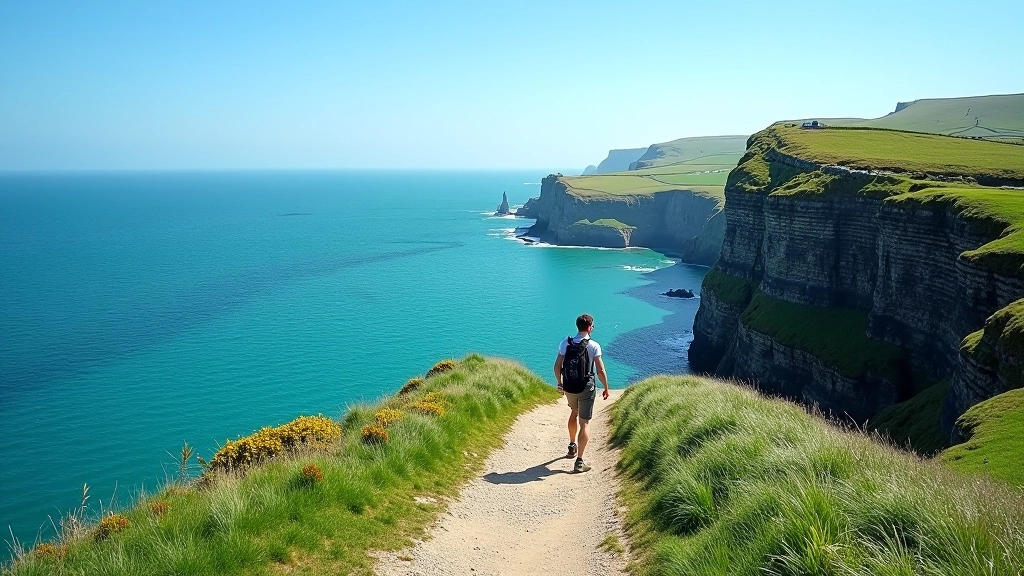
County Clare: Doolin to Liscannor
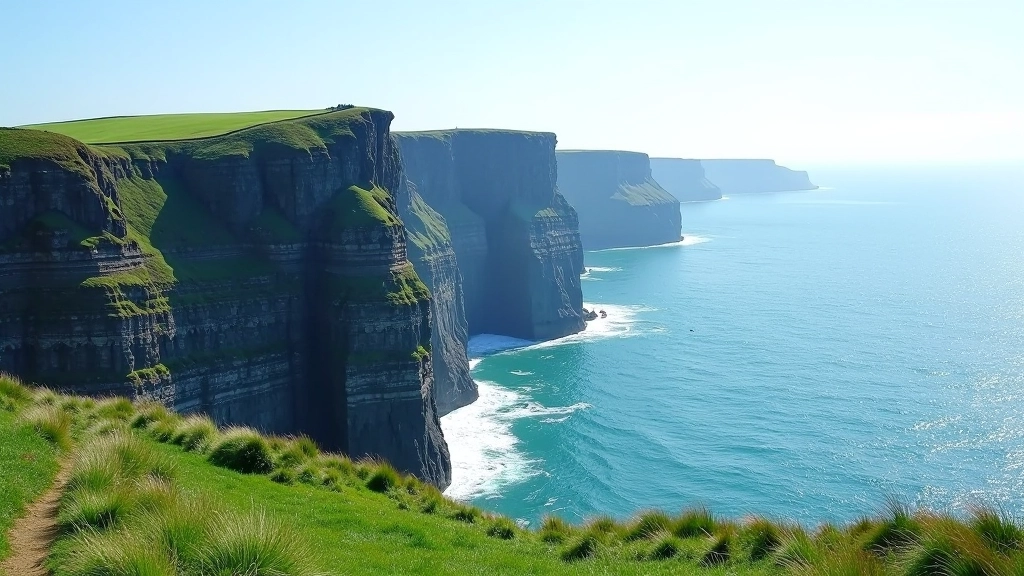
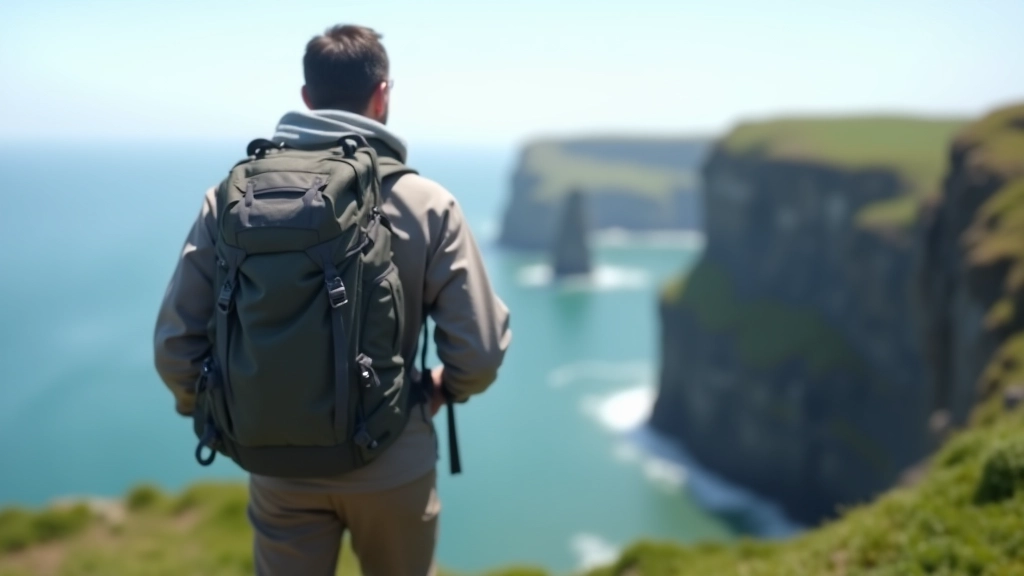
This section is where most people start, and honestly, you'll see why immediately. The walk hugs the coastline for about 6 kilometers, and the views are relentless. You're walking along the edge of something genuinely wild — the Atlantic doesn't mess around here.
The path itself is well-maintained, which matters because the terrain can be uneven in places. You'll cross through small villages, past traditional stone walls, and along proper coastal paths that've been walked for generations. Most people can handle this section comfortably — it's not technical climbing, just sustained coastal walking. The real challenge? It's windy. Seriously, bring layers and expect the wind to have opinions about your hair.
Distance: 6 km | Duration: 2-2.5 hours | Difficulty: Easy to Moderate
Galway and Mayo: Connemara Coast
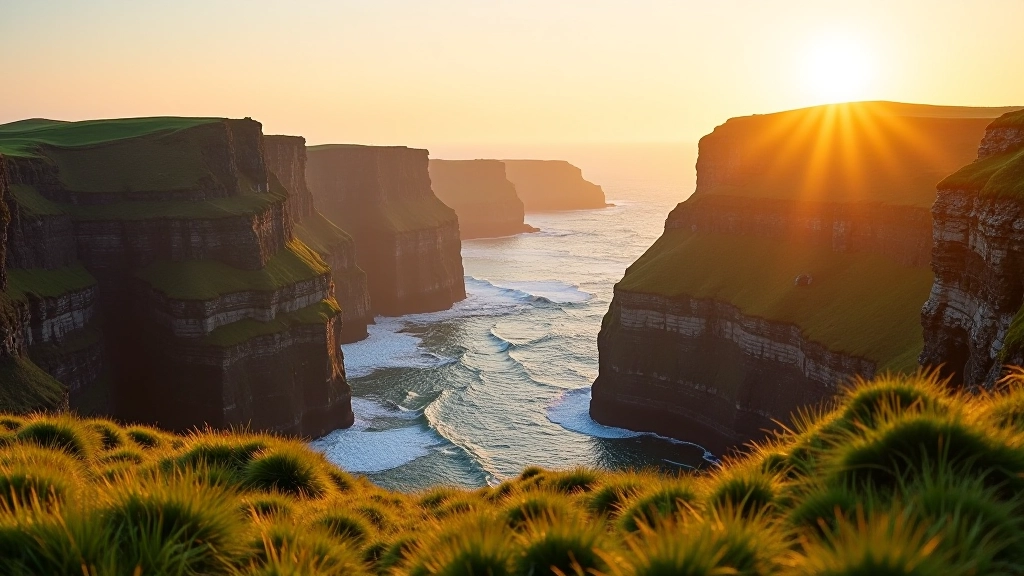
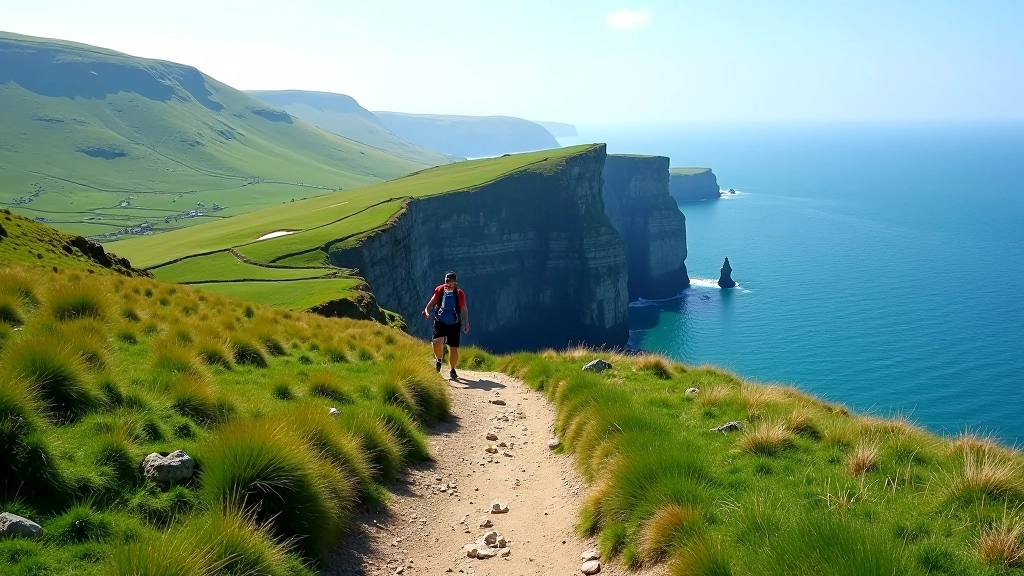
Moving north, the landscape gets even more dramatic. The Connemara section is where the Wild Atlantic Way really earns its reputation. You're walking through one of Ireland's most remote and beautiful areas — mountains rising straight from the sea, tiny villages that feel like they've been forgotten by time, and views that genuinely make you stop walking just to stare.
The walking here varies more than the Clare sections. Some stretches are on proper paths, others follow quiet coastal roads. You'll pass Inishbiggle and walk alongside traditional fishing communities. The elevation gains are real but gradual — nothing that'll destroy your knees. What you will notice is the remoteness. There aren't shops every kilometer here. Plan your supplies properly.
- Best for: Photographers and solitude seekers
- Watch out for: Exposed terrain, limited facilities
- Worth the effort: Absolutely, yes
Sligo and Donegal: The Northern Stretches
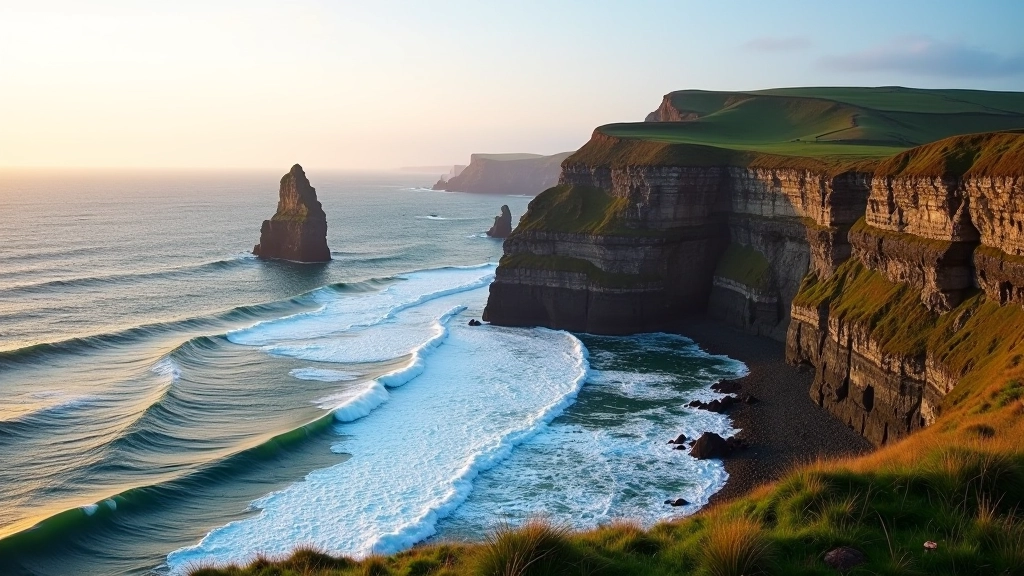
By the time you reach Sligo and Donegal, you're in genuinely remote territory. The northern sections of the Wild Atlantic Way are wilder, less crowded, and absolutely worth the journey. You'll find dramatic sea stacks, hidden beaches that most tourists never discover, and a real sense of adventure.
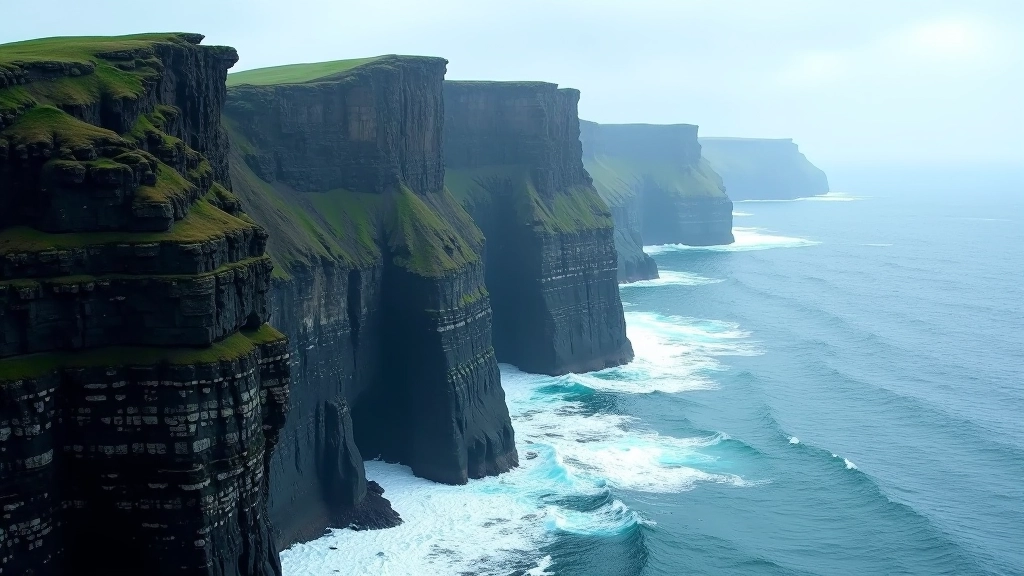
The Slieve League cliffs in Donegal are one of Ireland's best-kept secrets — they're actually higher than the Cliffs of Moher, but far fewer people make the trek. The walking requires more fitness here. You're looking at steeper terrain, more elevation change, and paths that demand attention. But the payoff is substantial. You'll walk along cliff edges with nothing between you and the Atlantic but air and determination.
Essential Tip
Weather changes rapidly on the northern coast. We're not exaggerating — bring waterproof everything. Clouds roll in quickly, visibility drops fast, and the wind gets serious. Proper preparation here isn't optional.
Planning Your Wild Atlantic Way Walk
Here's what we've learned from talking to dozens of people who've walked these sections. The best time to visit is late spring through early autumn — May to September gives you the most reliable weather and longest daylight hours. You don't want to be caught on a coastal path in winter darkness. It's dangerous and deeply uncomfortable.
Accessibility varies across the sections. The Clare routes are the most accessible — they're well-marked, have facilities nearby, and aren't technically demanding. As you move north, the terrain gets rougher and support infrastructure gets thinner. This isn't a problem if you're prepared for it, but it's important to know going in.
Most people break the Wild Atlantic Way into manageable chunks. You might do the Clare section in one day, then tackle Connemara over two or three days with proper stops. The beauty of this route is flexibility — you can walk it at your own pace, not the pace Instagram suggests.
The Real Experience
The Wild Atlantic Way isn't for everyone — and that's actually what makes it special. If you want a manicured, sign-posted experience with gift shops every kilometer, you've got plenty of options in Ireland. But if you want something raw, genuinely beautiful, and challenging in the best way? This is it.
We've highlighted these sections because they're the ones where the effort actually pays off. You're not grinding through mediocre landscape hoping it gets better. These sections deliver from kilometer one. Pick the ones that match your fitness level, prepare properly, and you'll understand why people come back to the Irish coast again and again. It's not hype — it's just genuinely worth it.
Important Information
This article provides educational information about walking sections on the Wild Atlantic Way. Conditions, accessibility, and safety can change due to weather, seasonal factors, and local maintenance. Always check current conditions with local tourism offices or visitor centers before heading out. Coastal walking carries inherent risks — use proper safety equipment, tell someone where you're going, and turn back if conditions deteriorate. This content is informational and not a substitute for professional guidance or local expertise.
Related Walking Routes