Dublin Bay Coastal Walk Guide
Explore the Dublin Bay waterfront routes. This guide covers the pier walks, beach access points, and urban coastal paths within easy reach of the city.
Navigate the dramatic cliff-edge trails with confidence. We'll walk you through safety essentials, optimal visiting seasons, and path options suited to every fitness level.
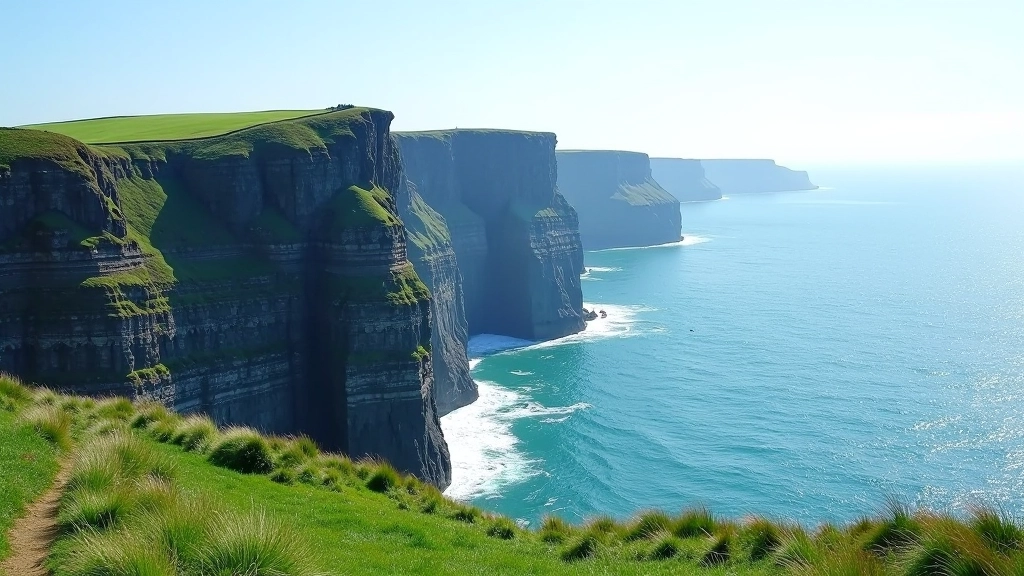

The Cliffs of Moher aren't just impressive—they're genuinely humbling. Seven kilometers of vertical stone faces dropping 214 meters into the Atlantic creates an experience that photographs can't quite capture. You've got to stand there yourself to understand why people travel from every corner of the world to walk these paths.
Thing is, the cliffs demand respect. The weather changes fast, the paths can get muddy, and the wind doesn't take prisoners. But if you're prepared, you'll have one of those days you'll talk about for years. We've spent time on these trails and we're going to share what actually matters when you're planning your visit.
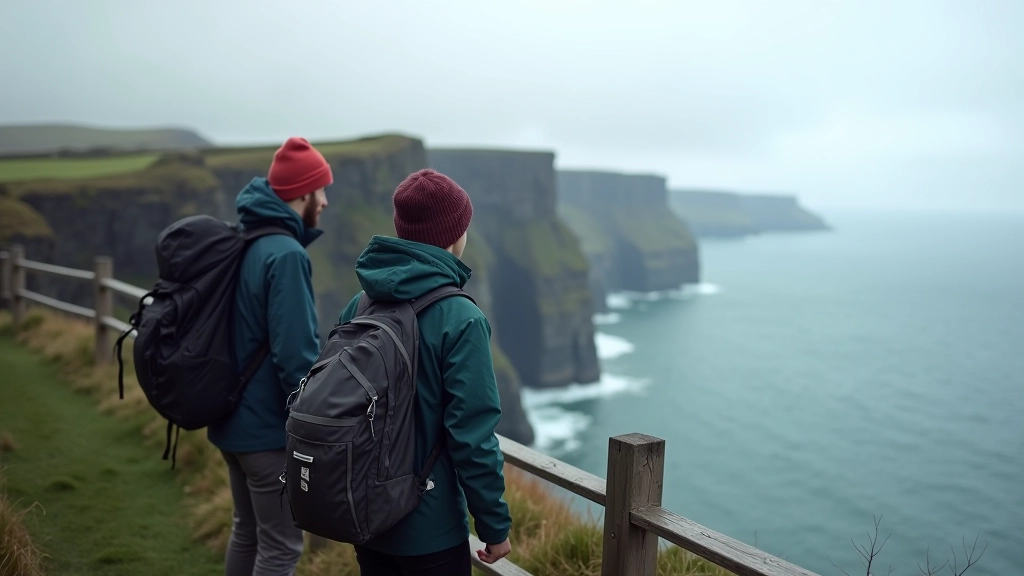
There's really three main routes people walk here, and each one delivers a different experience. The most popular is the O'Brien's Tower loop—about 2 kilometers round trip from the visitor center. You'll see most of the iconic views without committing to a long hike. It's where you go if you've got limited time or you're walking with kids.
Then there's the longer eastern section. Starting from the visitor center and heading toward Doolin takes roughly 5-6 kilometers depending on where you turn back. The crowds thin out pretty quickly once you're past the tower area. You get genuine solitude and the cliffs feel more raw. Most people doing this walk report it's the real Moher experience—fewer selfie sticks, more actual contemplation.
The western path runs toward Liscannor, but honestly it's rockier and less scenic than the eastern option. Locals tend to skip it unless they're doing a full traverse. Here's what matters: all paths follow the cliff edge or run very close to it. There's no getting away from the exposure, which is exactly why you're coming here.
Key Detail: Walking times assume a moderate pace with photo stops. Faster hikers shave 20-30 minutes off; slower pace adds the same.
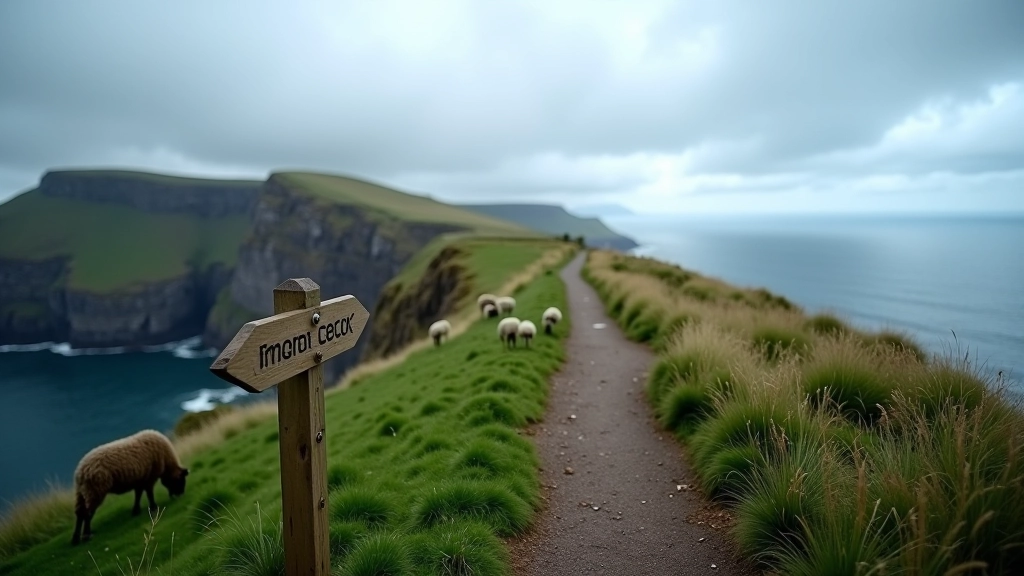
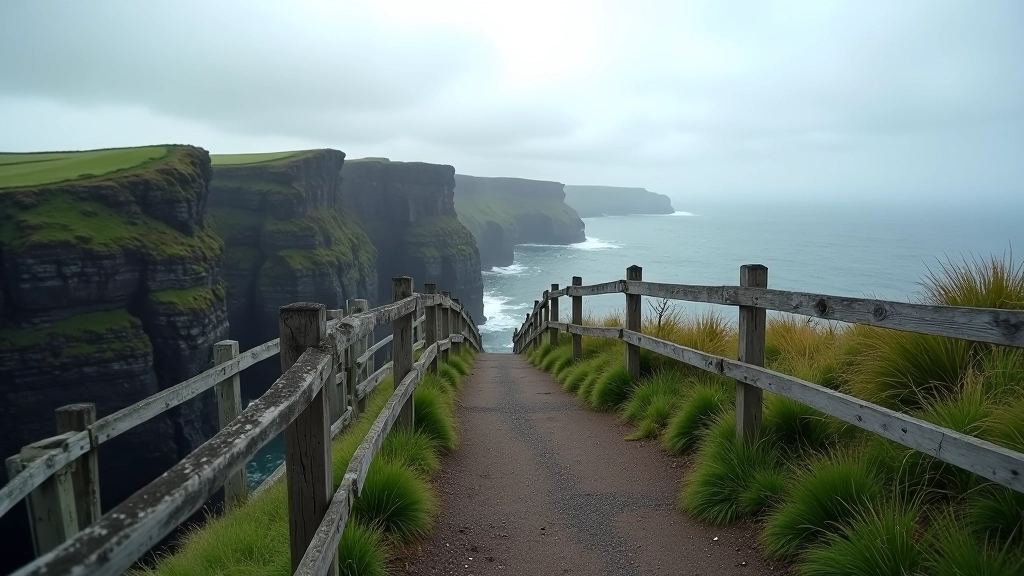
Let's be direct: people die at Cliffs of Moher. Not regularly, but it happens. Most accidents involve people stepping over railings for photos or underestimating how quickly weather changes. You won't become a statistic if you're sensible, but you do need to be sensible.
The railings are there for actual reasons. Don't step over them. Don't lean out past the edge. Don't assume "just one photo" is worth the risk. Wind gusts at the cliff edge can reach 60+ kilometers per hour without warning. We're not being dramatic—the Irish Coast Guard has documented this repeatedly.
The paths themselves are well-maintained, but they get muddy and slippery in rain. The ground near the edge isn't forgiving. Your focus matters more than your pace.
Spring (March-May) brings milder weather and the cliffs start feeling alive again. You'll still get windy days and rain, but there's genuine sunshine mixed in. The visitor numbers are manageable. This is a genuinely good time to visit if you can swing it.
Summer (June-August) is busy. Really busy. July especially sees tour groups from dawn to dusk. The weather's more stable, which is great for safety, but you'll be sharing the experience with hundreds of other people daily. If you're seeking solitude, don't come in peak summer.
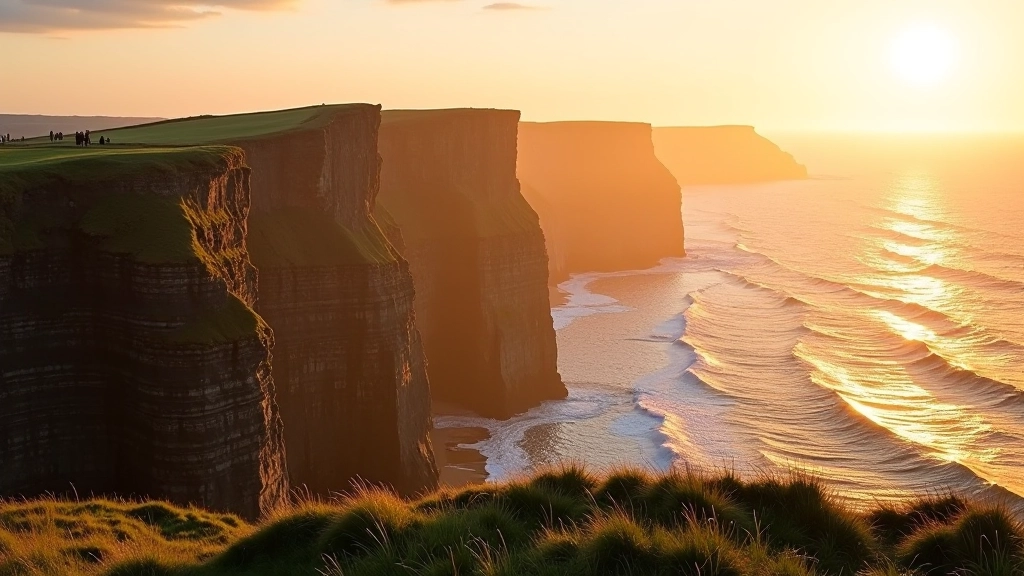
Autumn (September-October) is legitimately the best time. Weather's still relatively decent, the crowds drop dramatically after September, and you get that golden light that makes photography genuinely worthwhile. Winter (November-February) brings brutal weather—high winds, shorter daylight, frequent storms. It's beautiful if you're prepared for harsh conditions, but it's not for casual walkers.
Peak Season Visitors
1.5+ million annually
Average Wind Speed
40+ km/h regularly
Cliff Height
Up to 214 meters
Getting there is straightforward—the visitor center is near Liscannor in County Clare. Parking fills up quickly in peak season, so arriving before 10 a.m. gives you better odds. Public transport exists but it's limited; a car gives you flexibility.
Proper hiking boots aren't optional—the ground gets muddy and slippery. A waterproof jacket and extra layers matter regardless of forecast. Sunscreen, sunglasses, and a hat help on sunny days. A small backpack for water and snacks keeps you comfortable for longer walks.
The O'Brien's Tower loop suits most fitness levels—it's 2 kilometers with gentle elevation. The longer eastern section demands more endurance, but it's not technical climbing. If you can walk 5-6 kilometers on flat ground without struggle, you can manage the eastern path.
The visitor center has restrooms, a café, and a shop. Beyond the center, you're relying on what you bring. There's no water stations along the paths, so plan accordingly. Cell signal is decent but not guaranteed everywhere.
Early morning and late afternoon light transforms the cliffs. Midday creates harsh shadows and glare. Overcast days aren't failures—they often produce the most dramatic skies. Don't chase perfect photos by taking unnecessary risks near the edge.
The Cliffs of Moher aren't just a scenic destination—they're a genuine test of whether you'll respect what nature demands. You'll see incredible views, you'll feel genuinely small against something ancient and powerful, and you'll understand why this place has captured imaginations for centuries.
Come prepared. Come safe. Come with realistic expectations about crowds, weather, and your own fitness level. Walk the paths with attention rather than distraction. Don't let the moment of a perfect photo override the moment of actually being there. You'll leave with memories that stick around.
This article provides educational information about walking the Cliffs of Moher and isn't a substitute for professional guidance or current safety information. Conditions change seasonally and after weather events. Before visiting, check official resources from the Cliffs of Moher visitor center and Irish Coast Guard for current safety advisories, weather warnings, and path conditions. Walking near cliff edges involves inherent risk. Each visitor assumes responsibility for their own safety and must assess their fitness level and capability honestly. Follow all posted signage and safety instructions on site. In emergencies, contact local authorities or emergency services.