
Getting Started on Dublin Bay
Dublin Bay stretches across five kilometers of coastline, and it's genuinely one of the best places to walk in the capital. You don't need special equipment or months of training — these routes are accessible year-round, and most people can complete them without breaking a sweat.
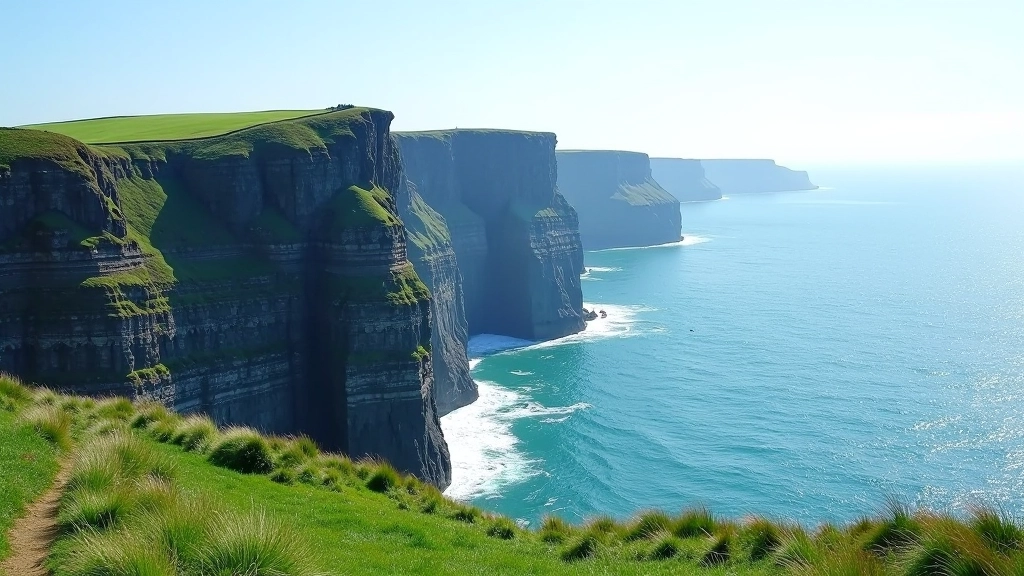
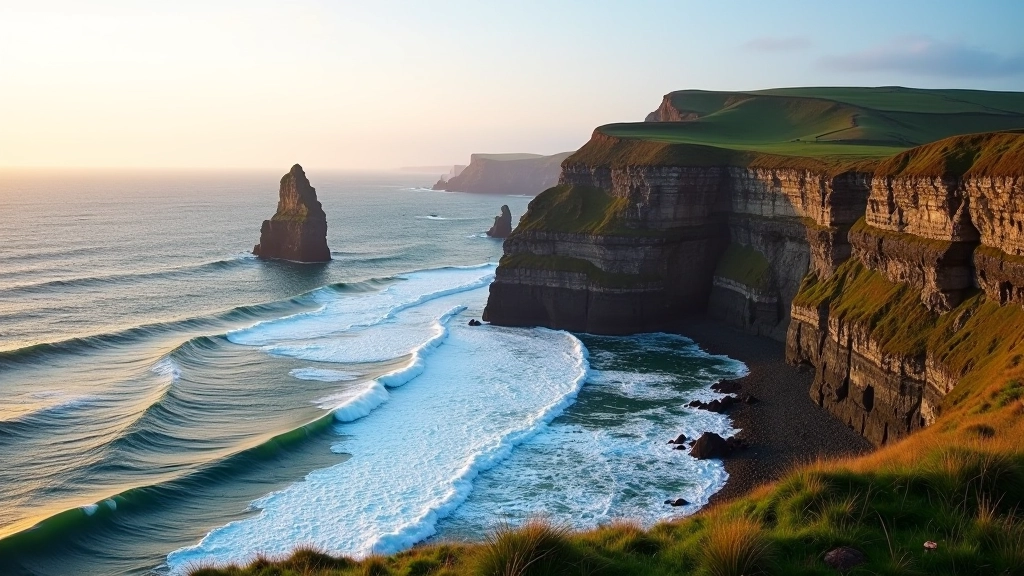
What makes Dublin Bay special isn't just the views. It's the mix. You've got seabirds, fishing boats, the occasional seal, and on clear days you can see all the way to the Wicklow Mountains. The bay changes with the tides and seasons — it's never quite the same walk twice.

The Main Pier Walks
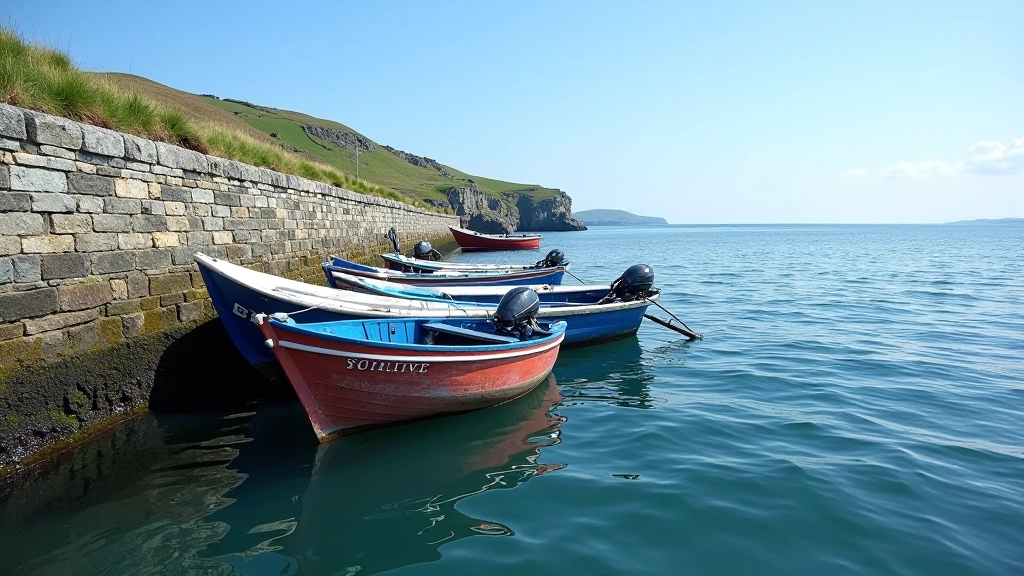
There are three major pier routes that form the backbone of Dublin Bay walking. Each has a different character, but they're all well-maintained and clearly marked. The Howth Pier walk is probably the most famous — it's about 2.5 kilometers round trip, and you're walking along the actual pier where fishing boats still operate daily.
The Dun Laoghaire Pier is longer at nearly 3 kilometers, and it's more dramatic. You're exposed to the sea on both sides, so on windy days it really feels like an ocean experience. We'd recommend going on a calm day your first time — it's easier to enjoy the views when you're not fighting the wind.
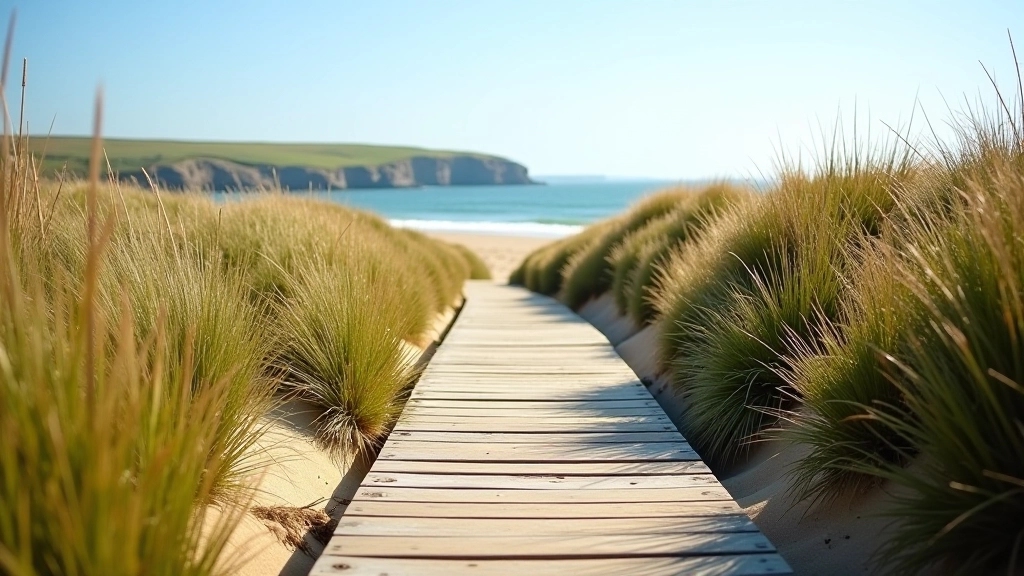
Bull Island connects to the mainland via a causeway and offers something different entirely. There's actual beach here, plus a nature reserve where you'll spot wading birds, particularly during migration seasons. The walk is gentler, more about observing wildlife than testing your fitness.

Spotting Local Wildlife
You'll see seals on most walks, especially around the rocky outcrops near Howth. They're not aggressive, but keep your distance — they'll dive into the water if you get too close. The best viewing is usually early morning or late afternoon when they're most active on the rocks.
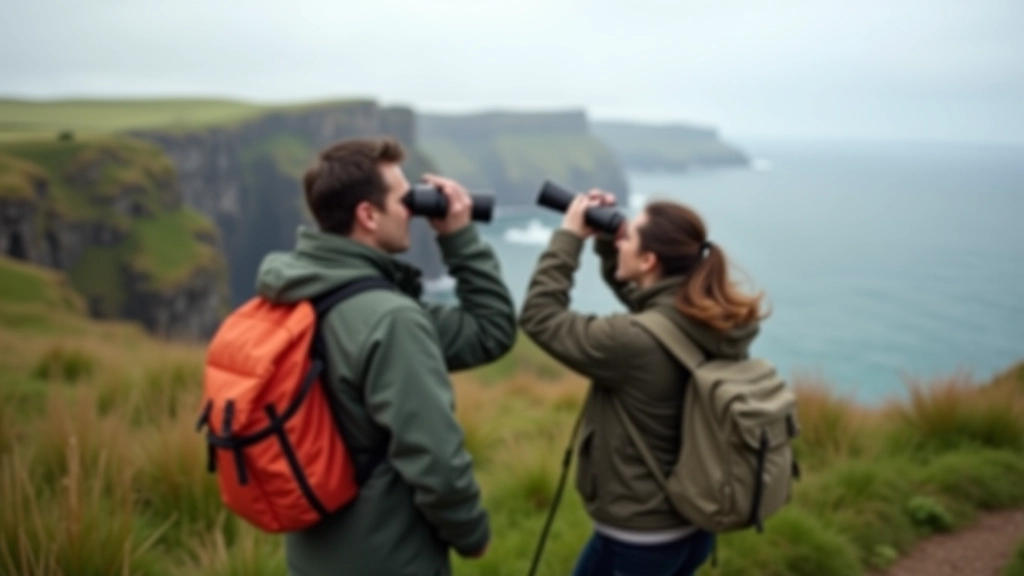
Bird watching here is genuinely rewarding. We're talking oystercatchers, cormorants, turnstones, and if you're lucky, the occasional heron. During spring and autumn migrations, Bull Island becomes a hotspot. Bring binoculars if you're interested — you'll see things you'd otherwise miss.
The bay also has different moods depending on the season. Summer brings calmer water and more tourists, which means more disturbance for wildlife. Autumn and winter offer quieter walks and better lighting for photography. Plus, there's something about walking along the coast when it's crisp and cool that just feels right.
What to Bring and When to Go
Weather on the coast changes fast. Even if it's sunny when you start, bring a light jacket. The wind coming off the water is usually stronger than you'd expect from looking at the sky. Waterproof shoes or proper walking shoes are essential — some sections can be slippery, especially after rain.
Timing matters more than most people realize. High tide and low tide create completely different walks. At low tide, you can access more beach and rock pools. At high tide, you're walking closer to the promenade and shops. Check a tide table before you go if you're interested in exploring the lower beach areas.
Pro tip: The piers are accessible year-round, but they're best visited during calmer months. Winter can be rough — literally. Spring and autumn offer the most comfortable walking conditions.
Getting There and Facilities
All three main routes are easily accessible by public transport. Howth and Dun Laoghaire both have DART stations within a ten-minute walk of the pier entrances. Bull Island has bus access from the city center, taking about 20-30 minutes depending on traffic.
Facilities are decent across the board. There are toilets at Howth and Dun Laoghaire piers, plus plenty of cafes and restaurants if you want to grab something after your walk. Bull Island has fewer facilities but it's quieter and more natural because of that. There's a car park if you're driving, though it fills up on weekends.
The routes themselves are well-maintained with clear signage. You won't get lost, even on your first visit. Most walkers complete one of the pier routes in 45 minutes to an hour, so they're perfect for fitting into a busy day.
Why Dublin Bay Works for Everyone
Dublin Bay's best feature is its accessibility. You don't need to be fit, experienced, or even particularly prepared. The walks are short enough that beginners can complete them without struggling, but they're interesting enough that regular walkers won't find them boring. The mix of urban convenience and natural beauty is hard to beat — you're literally walking along the coast while being able to see Dublin's skyline.
Start with Howth if you want the classic experience. Try Dun Laoghaire if you want something more dramatic. And Bull Island if you're interested in wildlife and want a quieter walk. Or do all three over a few weekends. Each reveals something different about Dublin and the bay.
Important Information
This guide provides general information about Dublin Bay walking routes. Weather, tides, and conditions change regularly. Always check current conditions before heading out, bring appropriate clothing and footwear, and use your judgment about safety. If you're unfamiliar with coastal walking, consider going with someone experienced. This information is educational and not a substitute for local advice or personal assessment of conditions.